You are sore, stiff, or not moving the way you used to, and you keep hoping it will settle on its own. Physiotherapy is often the missing step that gets you back to normal faster.
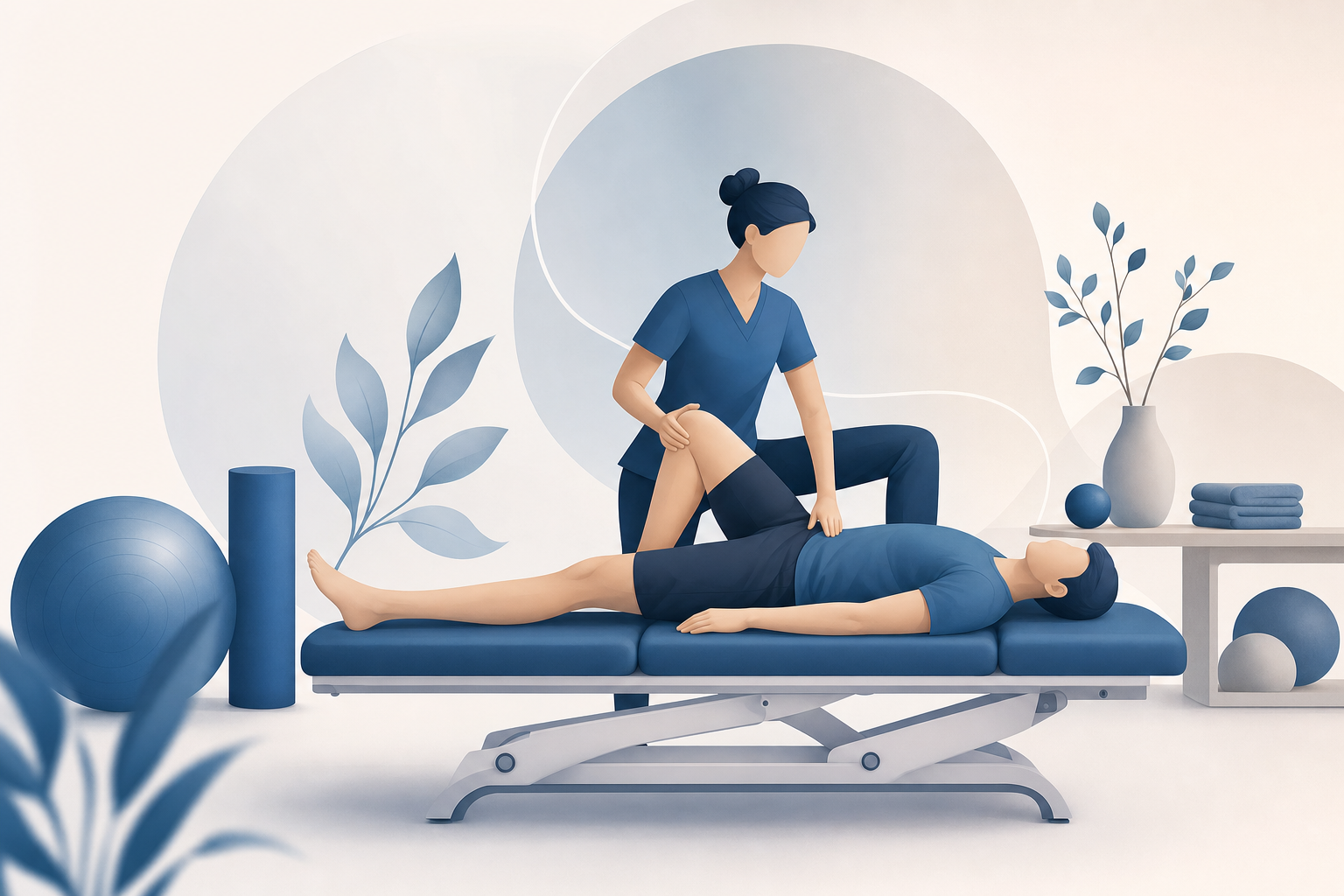
Physiotherapy is a hands-on and movement-based approach to helping your body recover from injury, manage pain, and move better. A physiotherapist assesses how you move, where your strength and flexibility fall short, and what is driving your symptoms. From there, they build a plan that suits your body and your goals.
Unlike a quick fix, good physio looks at the whole picture. If your knee hurts, we do not just poke at the knee. We check your hips, your walking pattern, and your daily habits, because pain rarely lives in isolation. This wider view is what helps stop the same problem coming back.
Treatment can include manual therapy, guided exercise, education about your condition, and practical advice on activity and posture. The aim is always the same: less pain, more function, and the confidence to get on with life.
People come to us with a huge range of issues. Back and neck pain from desk work, shoulder problems that make reaching overhead painful, knee and ankle injuries from sport, and hand or wrist trouble from repetitive tasks are all common. Many people also see a physio after surgery to rebuild strength and movement.
You do not need to be in crisis to benefit. Niggling aches, stiffness that limits your training, or an old injury that never fully settled are all worth addressing. Catching things early usually means a shorter, easier recovery.
Physiotherapy is also about prevention. If you play sport, work a physical job, or simply want to stay active as you age, a physio can help you build resilience and reduce your risk of future injury.
Your first visit starts with a conversation. We want to understand your history, what brought you in, how the problem affects your day, and what you want to get back to. This helps us tailor everything that follows.
Next comes a physical assessment. We watch how you move, test strength and range of motion, and check the specific area that is bothering you. This gives us a clear picture of what is happening and why.
By the end of the session you should understand your problem, have started treatment, and know the plan going forward. Many people leave with a few simple exercises to begin at home. Wear comfortable clothing you can move in, and bring any scans or referrals you have.
The people who recover fastest are usually the ones who stay involved in their own care. That means doing your home exercises, being honest about what helps and what does not, and asking questions when something is unclear.
Recovery is rarely a straight line. Some days feel better than others, and that is normal. Your physio will adjust the plan as you progress, adding challenge as you get stronger and easing off if something flares.
Consistency matters more than intensity. A few minutes of the right exercises done regularly will usually beat an occasional big effort. Small, steady steps are what build lasting change.
No, you can book directly without a doctor's referral. A referral is only needed for certain plans such as workers compensation, some insurance claims, or a GP care plan.
It depends on your condition, how long you have had it, and your goals. Some issues settle in a few visits, while others need longer. Your physio will give you a realistic estimate after your first assessment.
Some techniques may feel uncomfortable, but treatment should never be unbearable. We work within your tolerance and adjust as needed, so tell us if anything is too much.
Hands-on and exercise-based physiotherapy for a wide range of musculoskeletal injuries and conditions.
Structured rehabilitation to help you recover safely and confidently after orthopaedic surgery.
Assessment and treatment for back pain caused by injury, posture or age-related change.