Assessment and active exercise programs to improve posture and reduce related neck and back pain.
Book an Appointment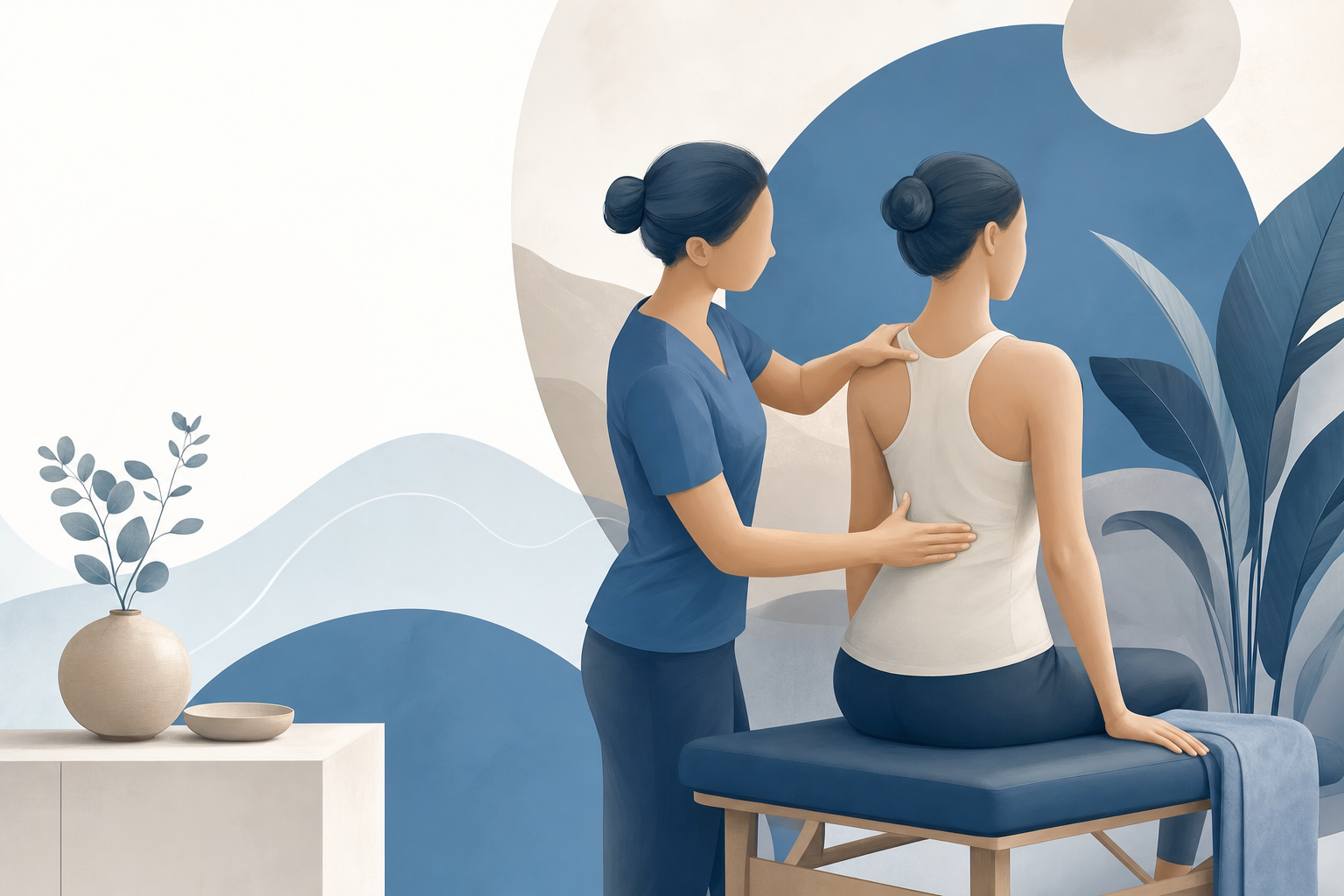
Poor posture is one of the most common causes of spinal pain, and our modern lifestyles, with lots of sitting and device use, make it easy to slip into habits that load the neck and back. Poor posture can cause pain in the neck, shoulders and arm, the mid back, and the low back and legs. The good news is that help is available, and better posture not only feels good but helps prevent pain from starting in the first place.
A detailed assessment by one of our physiotherapists identifies your specific problem areas. Everyone is different, and there is no single perfect alignment, but good alignment lets your muscles and joints work at their best. Whether your issue shows up in sitting, standing or both, we design a custom exercise program that stretches what is tight and strengthens what is weak, along with practical advice on how to sit, stand and set up your workspace.
This service is delivered through PhysioFit using active treatment strategies. Rather than relying on machines or ongoing passive treatment, we educate you about your body and give you the tools to manage and improve it yourself. Programs can run one on one in the clinic, in the gym or at home. We also offer group exercise spinal classes, held weekly for one hour over ten weeks, which are a supportive way to consolidate what you have learned.
A physiotherapist assesses your sitting and standing posture and identifies your problem areas. You receive a custom exercise program to stretch tight muscles and strengthen weak ones, plus practical workspace and daily posture advice. Ongoing options include one on one sessions or a ten week group class.
People with neck, shoulder or back pain linked to posture, including desk workers and anyone with long standing spinal discomfort who wants an active, self managed approach.
No. There is no single perfect alignment, and no one holds good posture all the time. The aim is good general alignment and awareness so your muscles and joints work well.
They run for one hour, once a week, over ten weeks in small groups of around eight. They are a supportive, effective way to consolidate the exercises you have learned.
The PhysioFit approach is active rather than passive. We focus on education and exercise to help you manage and improve the problem yourself.
Hands on and exercise based physiotherapy for a wide range of musculoskeletal and orthopaedic problems.
Structured rehabilitation to help you recover safely and confidently after orthopaedic surgery.
Casting, boots and bracing to support and protect injuries during healing.